
I have always had a strong connection to Alice in Wonderland. For starters, my mother’s name is Alice. As if that’s not enough, playing the role of Alice in the musical version when I was young made me an even bigger fan. But it wasn’t until I moved to London that I learned what a strong connection Alice in Wonderland has to Oxford.

Alice in Wonderland Oxford
Charles Dodgson—aka Lewis Carroll—the author, was a tutor at Christ Church college at Oxford University when he wrote the Alice in Wonderland books.
The dean of the college had a daughter named Alice Liddell, who served as Carroll’s inspiration for the protagonist of his stories.

But there’s more to Alice in Wonderland‘s Oxford connection than just the basics, and when VisitEngland invited me out for an Alice-inspired day trip from London, I looked forward to learning more.
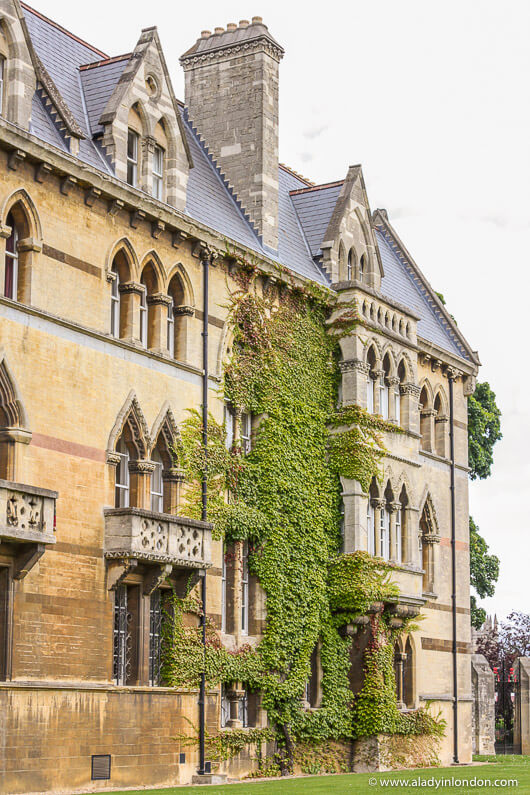
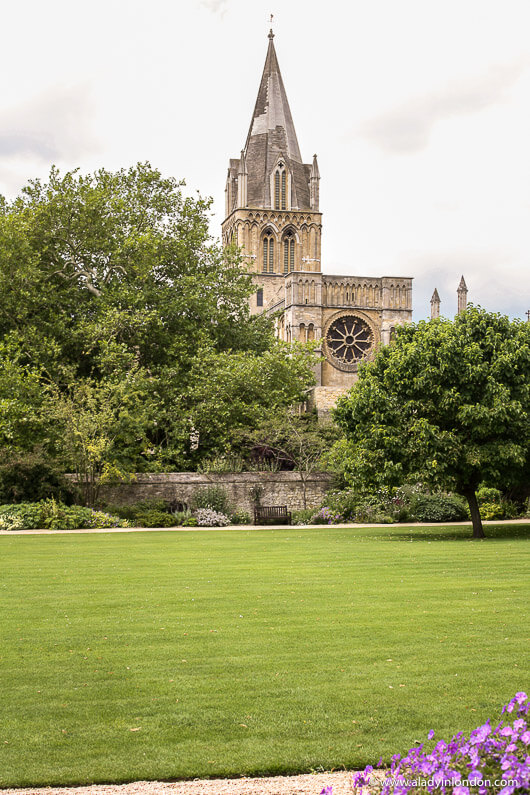
We traveled to Oxford in the morning and went straight to Christ Church college. There we took a tour of the cathedral, which was home to some great Alice highlights.
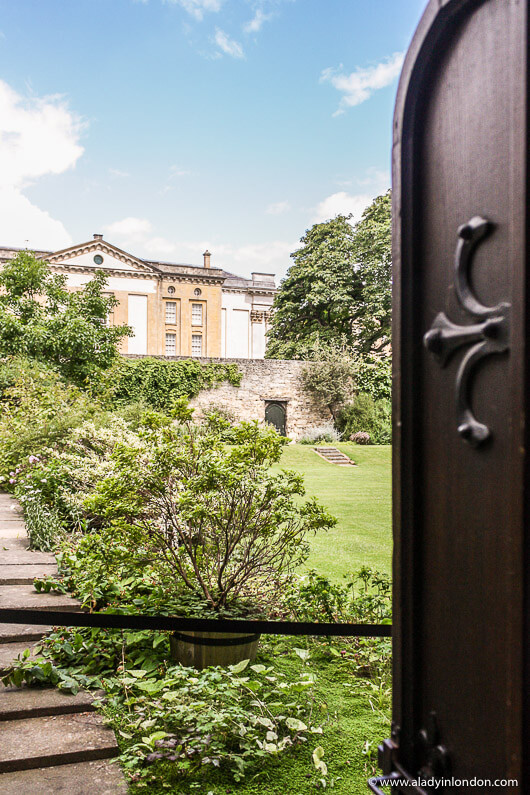
One was a garden with a green door that later became the White Rabbit’s door. Behind it was a large tree that served as the inspiration for the Cheshire Cat’s favorite place to flash his signature smile.
Inside the cathedral was a stained-glass window depicting the story of Oxford’s patron saint, Frideswide.
One of the windows showed her setting up a treacle well in nearby Binsey. That same well served as the model for the treacle well in the Alice in Wonderland books.

But it wasn’t all fiction in the cathedral. There were also some real Alice stories to be discovered there. One stemmed from a bust of Queen Victoria’s son Leopold, who lived with Alice Liddell’s family when he attended Oxford University.
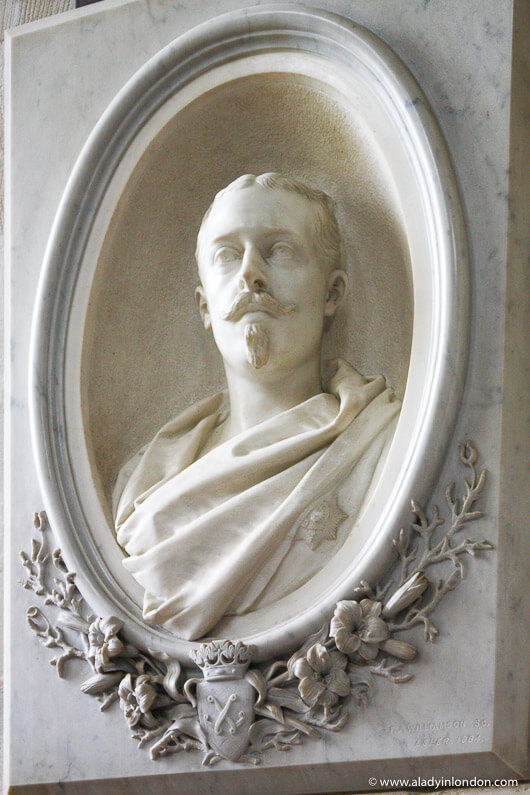
Rumor had it that Leopold and Alice fell in love, but were prevented from marrying. That didn’t keep them from naming their children after one another, though.
The proof was shown on a war memorial plaque outside of the cathedral that bore Alice’s son’s name.
Leaving the church, we continued our Alice in Wonderland tour of Oxford with a trip to The Old Sheep Shop, an Alice-themed gift shop that sold everything from figurines to pencil erasers that featured all the characters in the books.

After stopping at Alice’s Shop, we had a quick lunch at The Randolph Hotel in Oxford and then made our way to the Museum of Natural History. There we met another character from Carroll’s stories: the Dodo.
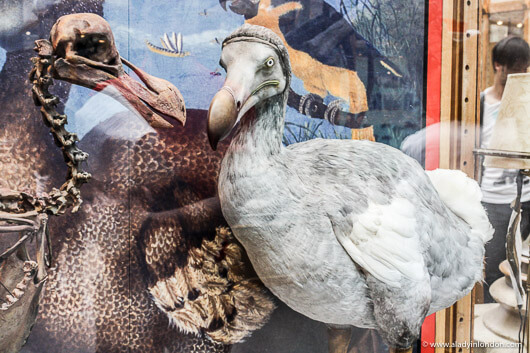
Long extinct, the real dodo bird appeared in the museum in taxidermy form. Near it was a case with taxidermy versions of other characters in the book, including a white rabbit holding a pocket watch.

Speaking of the characters, our next stop was at the famous Bodleian Library, which had a small exhibition displaying various editions of the Alice in Wonderland books with illustrations by numerous artists.
From there we continued to another museum, this one called The Story Museum. It was a a great place for interactive learning, and had an entire room dedicated to an exhibition about Alice in Wonderland.
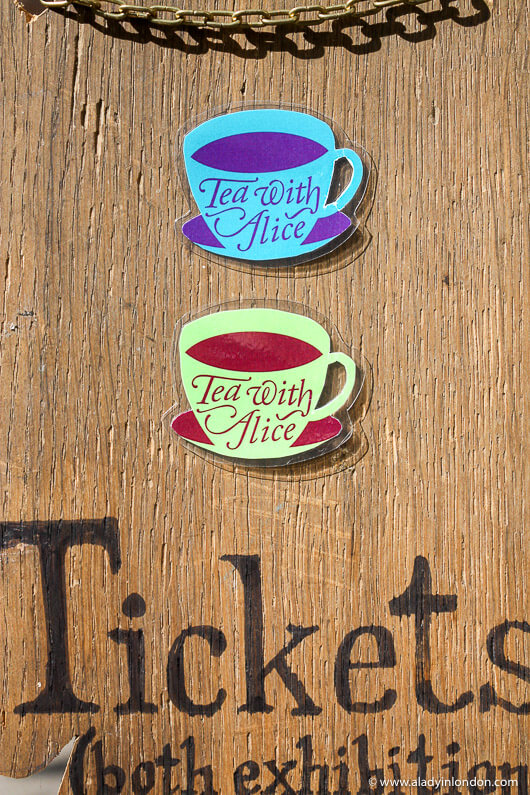
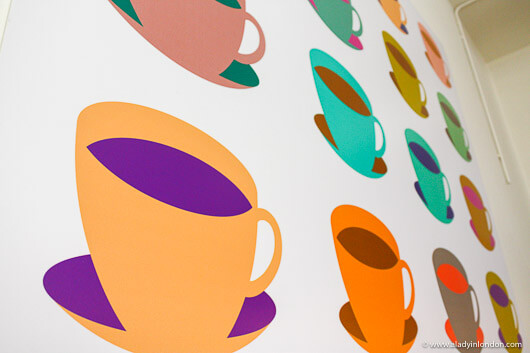
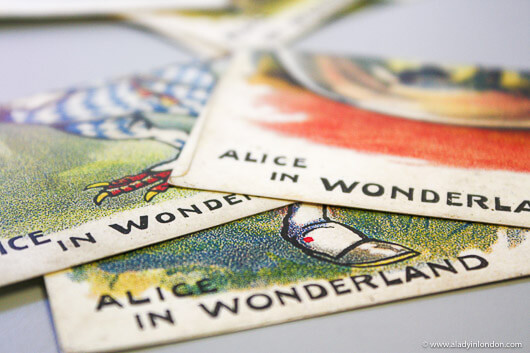
Various artists had been commissioned to illustrate scenes from the books, and in one corner was an old Alice-themed card game. The walls were covered with teacup paintings, and the lights above us were also shaped like teacups.
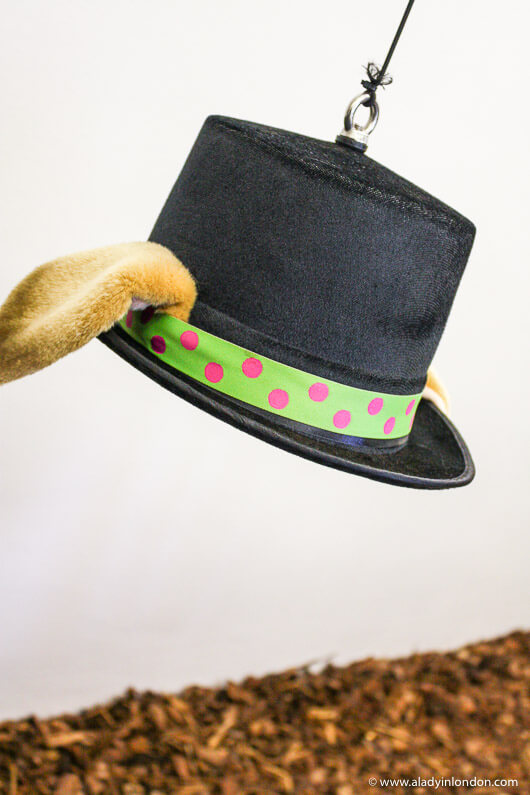
In a nearby room there was a Mad Hatter tea party set up, complete with hats hanging above chairs so we could pose for photos with various headpieces on.
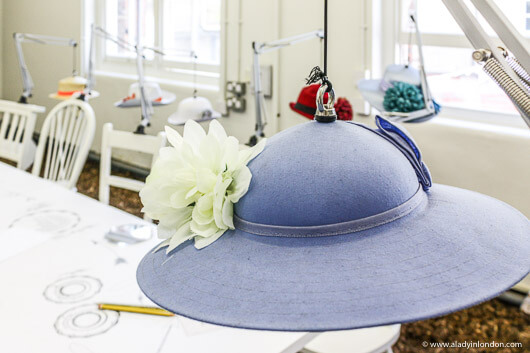
Tearing ourselves away from The Story Museum, we walked through some pedestrianized shopping streets and made our way to the Malmaison hotel in Oxford.
The hotel, which was housed in a former prison, was where I stayed on my last overnight trip to Oxford. This time we weren’t staying the night, though. We were at the hotel for afternoon tea and millinery.
The Malmaison’s upstairs function room had been transformed into a real Mad Hatter tea party, complete with milliner Katherine Elizabeth, a London-based hat designer who taught us how to make our own headpieces.
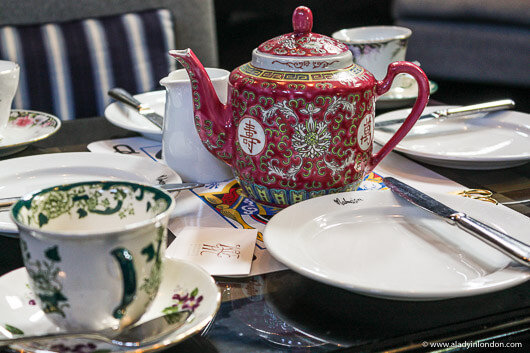
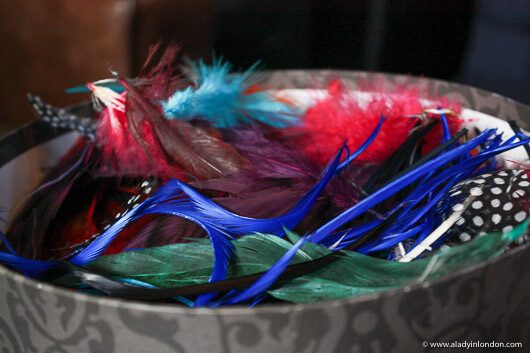
We spent the next two hours enjoying cake and scones while fashioning fascinators out of felt, feathers, and everything else we could find in Katherine’s hat boxes.
It was all good fun, and the end result was a pleasantly full feeling and a fascinator that didn’t look half bad (a friend of mine even wore it to Goodwood last week!).

It was a great way to end our Alice in Wonderland day trip to Oxford. As we traveled home to London, we drifted off to sleep dreaming of white rabbits, dodos, and Mad Hatters in beautiful hats. If my affinity for Alice hadn’t been strong before, it was certainly cemented then.
Find this post helpful? Buy me a coffee!
New here? Join thousands of others and subscribe to the A Lady in London blog via email.
Some of the links in this blog post are affiliate links. At no cost to you, I earn a small commission when you click on them and make a purchase. It doesn’t affect the way you shop, and it’s a great way to support the A Lady in London blog.
Pin it!
how fun! But I think this blog post would really only be complete if we could dig up an old picture of you as Alice! 🙂 you were a very good Alice, at least in the opinion of this five of clubs!! 🙂
Aw, thanks Emily! I’m sure there is a photo of us together somewhere!
I have a teapot that is exactly like the one in the above photo!! (The mainly pink one with designs.)
That’s great!
Thank you for this. When I went to the Bodleain Library several years ago as a tourist, I bought for myself a brooch of the March Hare, checking his pocket watch. Today I am proudly wearing it to attend a performance of Alice by the National Ballet of Canada.
You’re welcome! That sounds great. What a nice memento.